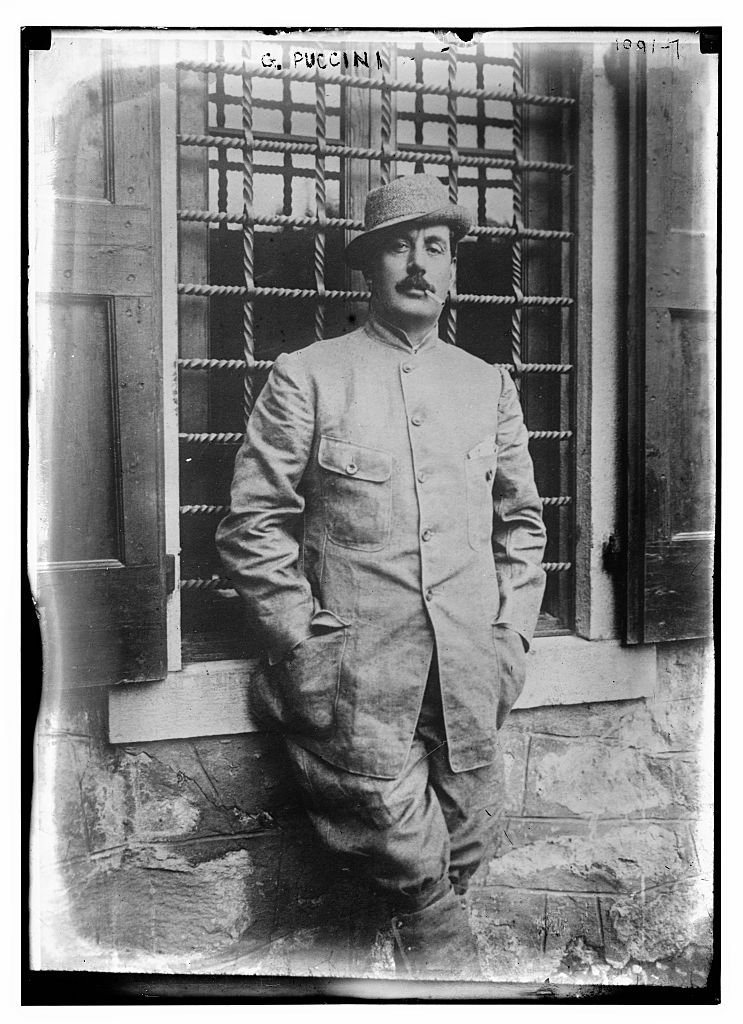
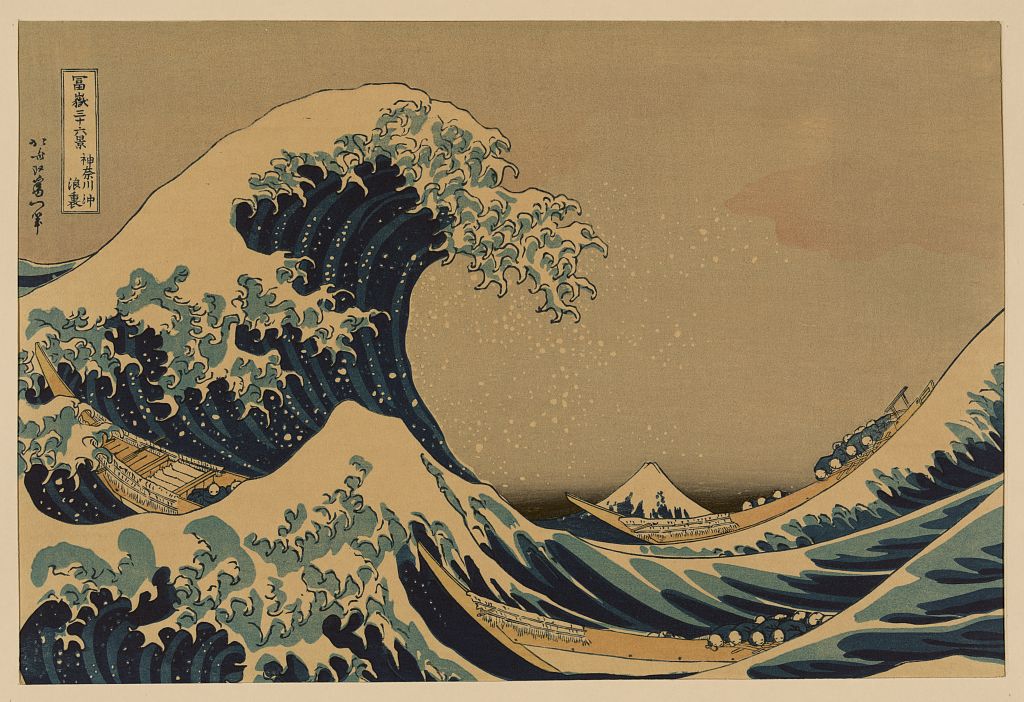
Timings: ‘La Mer’

lamer

Just listened to both.

Pierre Monteux conducting the Boston Symphony (RCA Musique):

1. De l’aube a midi sur la mer: 8’35

2. Jeux de vagues: 5’55

3. Dialogue du vent et de la mer: 7’50

Carlo Maria Giulini conducting the Los Angeles Philharmonic (DG):

1. De l’aube a midi sur la mer: 9’22

2. Jeux de vagues: 7’13

3. Dialogue du vent et de la mer: 8’35

As fine as the Giulini is, I have to give the edge to Monteux, and I think at least part of the secret here is his exceedingly brisk tempi.

Review: Dudamel returns to L.A. Phil with Wagner, Brahms and Schumann

gustavo-dudamelb

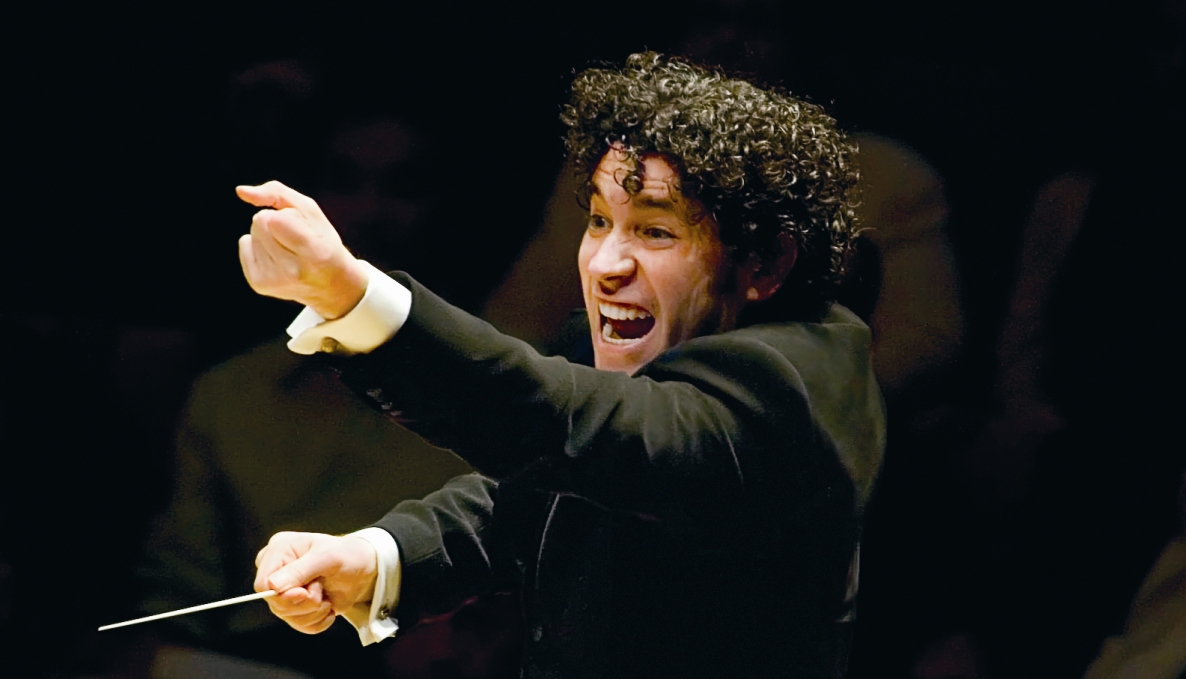
In today’s Orange County Register online, I review last night’s Los Angeles Philharmonic concert, conducted by Gustavo Dudamel and featuring violinist Gil Shaham.

Click here to read my review, or pick up a copy of tomorrow’s newspaper.

photo: courtesy LA Phil

John Cleese on creativity

Well worth watching, no matter what your creative activity. I find his ideas ring true.

Related post: On writing

The Fanfare to ‘La Peri’

By Paul Dukas: The Fanfare to his ballet “La Peri.” I was lucky enough to play this piece in college. The harmonies don’t go where you expect them to. Wonder why we never hear it. Ernest Ansermet conducts the brass section of L’Orchestre de la Suisse Romande.

Pacific Symphony revives Puccini’s ‘shabby little shocker’

It was opera night at the symphony last evening. The program booklet warned me to “Prepare to be swept away.” I did what I could.

In today’s Orange County Register online, I review the Pacific Symphony’s semi-staged performance of “Tosca.”

Click here to read my review, or pick up a copy of tomorrow’s newspaper.

From last night’s program booklet

beethoven

I read the following in last night’s program booklet:

“Ludwig van Beethoven (1770-1827) was a German composer and pianist. A crucial figure in the transition between the Classical and the Romantic eras in Western art music, he remains one of the most famous and influential of all composers. His best known compositions include 9 symphonies, 5 concertos for piano, 32 piano sonatas, and 16 string quartets. He also composed other chamber music, choral works (including the celebrated Missa Solemnis), and songs.”

Oh yeah, that Beethoven.

Is it just me, or is this too basic? For those who already know Beethoven, it’s all but useless, maybe even a little insulting. For the uninitiated, it seems to me, it must be close to meaningless. If you don’t know who Beethoven is, then you don’t know what “Classical” and “Romantic” means, you don’t know what a concerto is, or why someone who composed 16 string quartets should be famous. Is it hard to write a string quartet or something? And is someone of that uninitiated ilk (not that there’s anything wrong with it) likely to be at the concert reading said program note?

Imagine a similar note at a Rolling Stones concert:

“Mick Jagger (1915-) is a famous British singer and frontman of the Rolling Stones. A crucial figure in the triumph of pop culture over everything, he remains one of the most famous and influential musicians of all the Rolling Stones. He is best known for singing “Satisfaction,” “Jumpin’ Jack Flash,” and other Stones hits, for wiggling his fanny during live performances and for his prodigious lips. He has also written 16 string quartets.”

My own opinion on writing program notes is that the writer should skip the biography of the composer (except when said composer is widely unknown) and concentrate on the biography (so to speak) of the piece that is about to be performed. And keep it brief, if possible.

Remember Barry Douglas?

He showed up in that musical capital, Aliso Viejo, last night. In today’s Orange County Register online, I review his piano recital that featured music by Beethoven, Schubert and Brahms.

Click here to read my review, or pick up a copy of tomorrow’s newspaper.

Bringing opera back to O.C.

puccini

In today’s Orange County Register online, I put on my reporter’s hat and write about the Pacific Symphony’s opera initiative, “Symphonic Voices”.

Click here to read the article, or pick up a copy of Sunday’s newspaper.

On writing

I thought by this point in my life I’d know how to write. I thought it would come easy by now, that I’d know the ropes and the tricks of the trade.

“A man’s got to know his limitations,” Dirty Harry once said. I do know those. I have plenty.

I know that I can’t count on my muse (for want of a better word) showing up at the appointed time. Sometimes she’s there, sometimes not. When you’re on deadline, though, it doesn’t really matter. When you’re on deadline, you can’t afford to have writer’s block. You have to crank out the words anyway. The deadline is often your friend. It forces you to write, no matter what. Without the deadline I might not ever write.

You can optimize the chances for the arrival of your muse (sleep, a good breakfast, coffee, etc.) but you can’t make her show. Sometimes the material you’re working with doesn’t inspire the words to flow, but even when it does that doesn’t mean they will.

I know that it isn’t over until it’s over. You can be writing an article that wouldn’t fly in a junior high school essay contest, you can be wondering why you ever thought you could be a writer, you can be wondering what it is, exactly, that you’re trying to say, but if you keep chipping away at it, fixing small things, finding a better word here or there, or work on the punctuation, the article can turn around at the very last second and become something you’re proud of.

I’m often proudest of articles that to the average reader couldn’t possibly seem special in any way. That’s because as the writer, I know what went into it and what the odds were of it coming off at all. You’ve made lemonade, maybe not even very good lemonade, out of lemons.

I also know that most readers can’t tell the difference between my good and bad stuff. I guess that’s kind of cynical, but it’s true. It can also be a relief of sorts knowing that no one, or few, will notice when you’re not on your game. It takes the pressure off the writing, allows you to relax and then, presto — what do you know? — you’re writing well.
Direct from the BBC

bbc

In today’s Orange County Register online, I review last night’s concert of British music performed by the BBC Concert Orchestra conducted by Keith Lockhart.

Click here to read my review, or pick up a copy of tomorrow’s newspaper.