
In today’s Orange County Register online, I recall a summer long ago that I spent practicing eight hours a day.
Click here to read my article (one day pass or subscription required), or pick up a copy of Sunday’s newspaper.
In today’s Orange County Register online, I recall a summer long ago that I spent practicing eight hours a day.
Click here to read my article (one day pass or subscription required), or pick up a copy of Sunday’s newspaper.
 Next year’s Ojai Music Festival is a long way off (June 12-15, to be exact), but information has been dribbling out, more this week in a flyer. Here’s what we’ve gleaned so far.
Pianist Jeremy Denk will be the music director, reason enough to attend in my opinion. The 68th annual event will also feature the world premiere of a new opera, commissioned by the festival, with music by the Pulitzer Prize-winning composer Steven Stucky and a libretto by Denk. Robert Spano will conduct.
Jazz pianist/composer Uri Caine will be on hand to perform Mahler. The young violinist Stefan Jackiw, very impressive when I heard him a couple of years ago, will perform music by Ives.
Also promised: Music by Janacek, Ligeti, Mozart, Beethoven and a batch of Brooklyn composers.
My favorite cover of a rock song. Some very tasty drumming. Notice how the band builds the song, with bass and guitar going into unison near the end, the cymbal kicking.
Originally blogged in 2011, but still true.

Top 10 lists are big these days in the sophisticated world of the internet and its readership. Even the august New York Times (in January) got into the act recently by naming (or taking a deep breath and beginning to try to start to name) the 10 greatest composers of, like, forever. But never before has the world seen a list like the one we attempt today: The Top Ten Greatest Notes of All Time.
A word on our methods. First, we ate dinner. Then we started to think about doing the dishes but decided to do them later. They can wait. The food won’t stick, not with the dishwasher we have. (We paid a little extra.) Secondly, or thirdly, it’s hard to keep track, we got a committee of the world’s leading musicians together at a retreat in the mountains of Nevada, fed them lavishly and then corralled…
View original post 509 more words
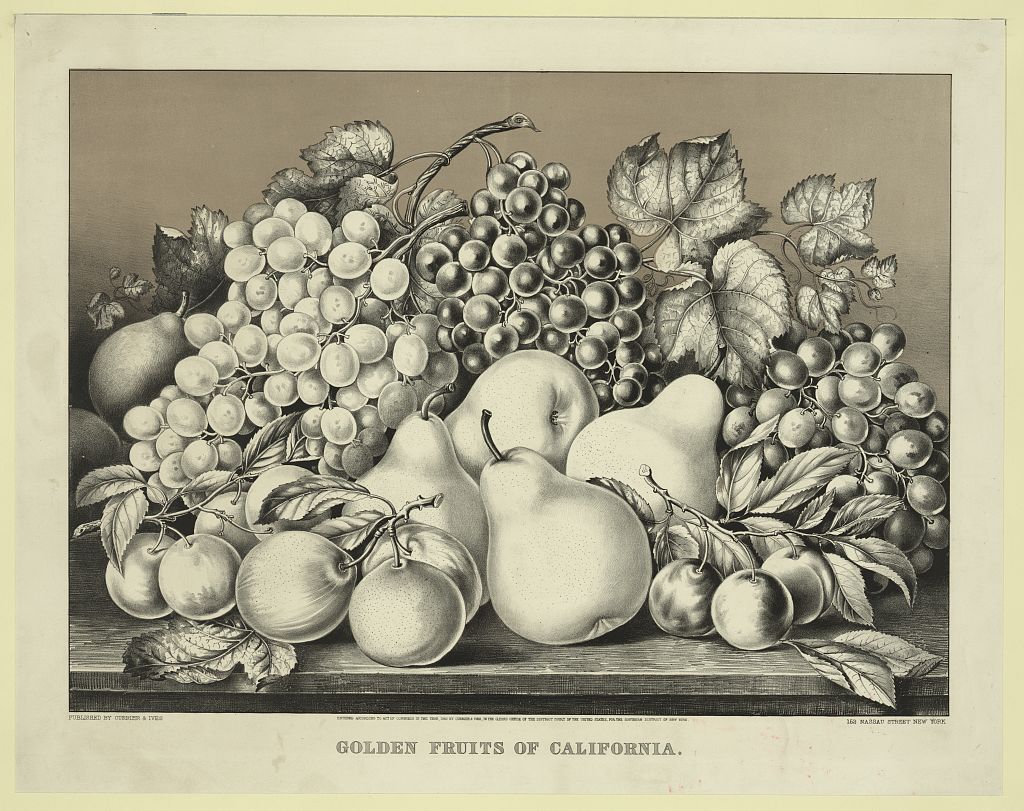
I went to the Philharmonic Society of Orange County’s annual meeting last night. The numbers look good; interesting plans ahead.
Click here to read my article (one day pass or subscription required), or pick up a copy of tomorrow’s Orange County Register.

After 90 days behind paywall bars, articles on ocregister.com are set free. Here are three of mine from early April, for those who are still interested. You may read them for free.
Register’s music critic plays with Pacific Symphony. April 11, 2013.
Malkki is authoritative with L.A. Phil. April 14, 2013.
Denk performs masterful recital. April 15,2013.
photo: Steven Georges, for the Register.

In today’s Orange County Register online, I review the opening concert of the classical music season at the Hollywood Bowl. Michael Tilson Thomas conducted the Los Angeles Philharmonic and others in Mahler’s “Resurrection” Symphony.
Click here to read my review (day pass or subscription required), or pick up a copy of tomorrow’s newspaper.
After 90 days behind subscription paywall bars, articles on ocregister.com are set free. Here are two of mine, if you happen to still care. You will not be charged to read them.
Mei-Ann Chen conducts the Pacific Symphony. April 5, 2013, Orange County Register.
Violinist Ray Chen gives a recital at Irvine Barclay Theatre. April 7, 2013, Orange County Register.
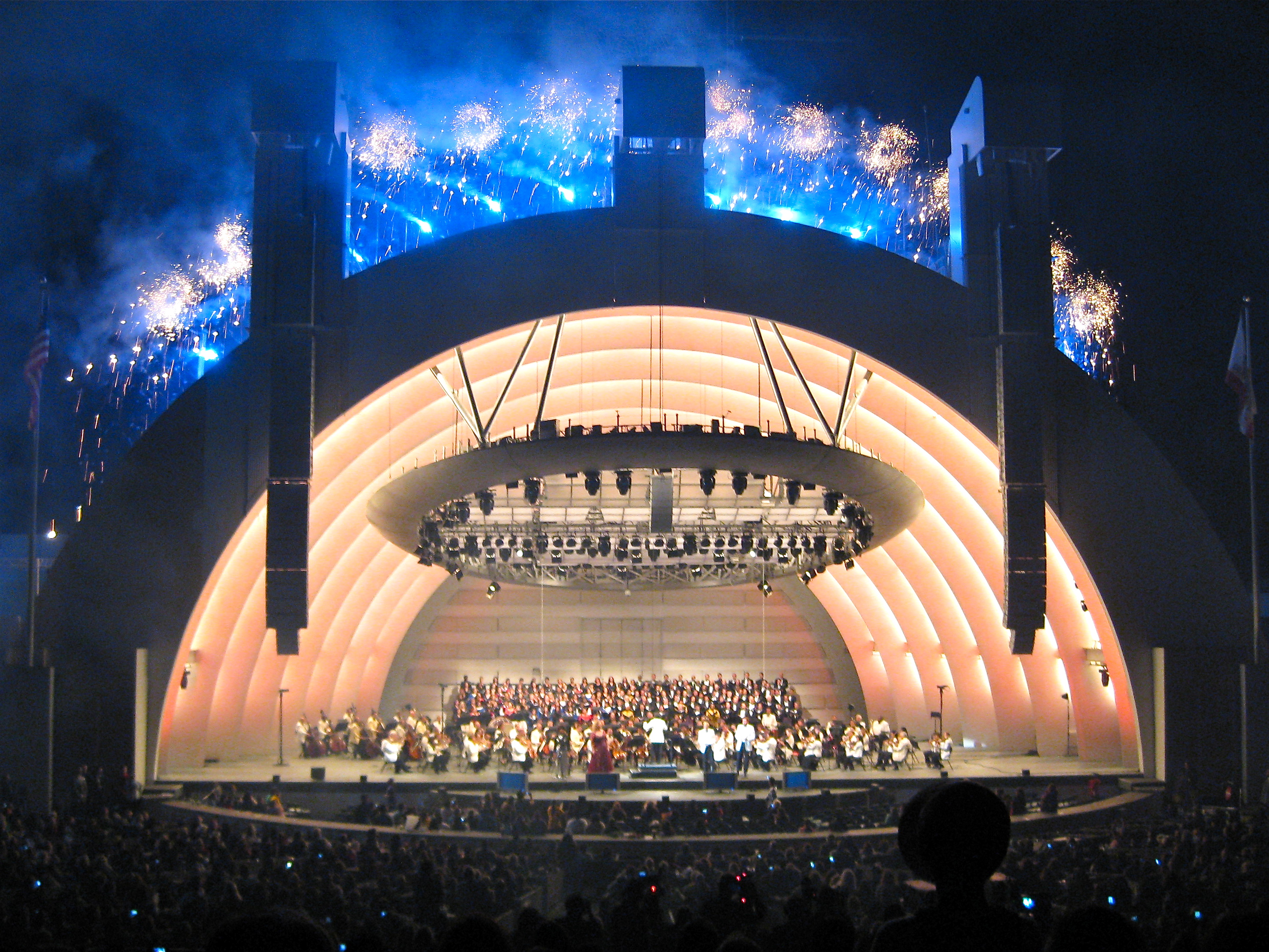
In today’s Orange County Register, I take a look at this summer’s classical music season in Southern California and a little further beyond.
Click here to read my article (day pass or subscription required), or pick up a copy of today’s newspaper.
 In a couple of reviews that I read this week of the new Lone Ranger movie, in reputable newspapers, I noted that the film makes use of the “William Tell Overture” (sic), a piece commonly thought to have been composed by Rossini.
He did no such thing, of course. The piece is correctly called the Overture to “William Tell” in AP Style, or the Overture to William Tell, when style guides using italics for titles are used. The same goes for every overture written for an opera — i.e. the Overture to “The Marriage of Figaro,” the Overture to “Gwendoline,” the Overture to “Candide,” etc., etc.
(Foreign titles are fine, of course. Write the Overture to “Le Nozze di Figaro,” or even better, the Overture to “Le nozze di Figaro” to your heart’s content. Only I, and a good many other writers, usually use English titles when a work is well known in that form.)
The punctuation of the titles of classical music pieces can get a little confusing. The easy rule, though, is that when a piece’s title is simply a type of piece — as in Symphony No. 1, or Nocturne No. 2, or Requiem — the title takes no quotes. If that same piece has a nickname, as in Beethoven’s Symphony No. 3, “Eroica,” the nickname takes quote marks, as you see.
Opera titles take quotes, of course. But an overture is a type of piece written to launch an opera, so it doesn’t take quotes. The case of concert overtures is different, though, and these pieces are usually given names, as in Brahms’ “Tragic Overture” and Berlioz’s “Le Corsaire Overture,” in which case the quotes are necessary. Sometimes you will see “Tragic” Overture or “Le Corsaire” Overture, which I suppose is OK, but then you run into things such as Britten’s “An American Overture,” which seems to me to require quotes around the entire thing. Which makes me feel that it’s best, for uniformity’s sake, just to use quotes (or italics, as the case may be) for entire concert overture titles.
On a related subject, opus and catalog numbers give editors and readers fits. They do not understand them, or even know what they signify. But they are mostly unnecessary when writing about classical music and I avoid using them whenever possible. (I see photographers using them in photo captions all the time, because they get the titles from the program book.) Simply put, my attitude is that, in most cases, a reader only needs to know what piece has been or will be performed, and most pieces are easily identified without opus or catalog numbers: Beethoven’s “Eroica” Symphony is enough (or Symphony No. 3, “Eroica”), lose the opus number unless you are writing about the “Eroica” in a context of where it falls in Beethoven’s output.
Opus and catalog numbers are very helpful, however, in identifying many pieces — such as Haydn’s string quartets, Chopin’s piano pieces and much of Mozart’s, Vivaldi’s and Scarlatti’s music — because they happen to be the quickest way to do so with the work in question. Including the key of a piece in the title usually ends up being superfluous. Use the key as an identifier when necessary, or when the context requires it. Otherwise, forget about it.
See also: Premiere and premier



 Classical Life