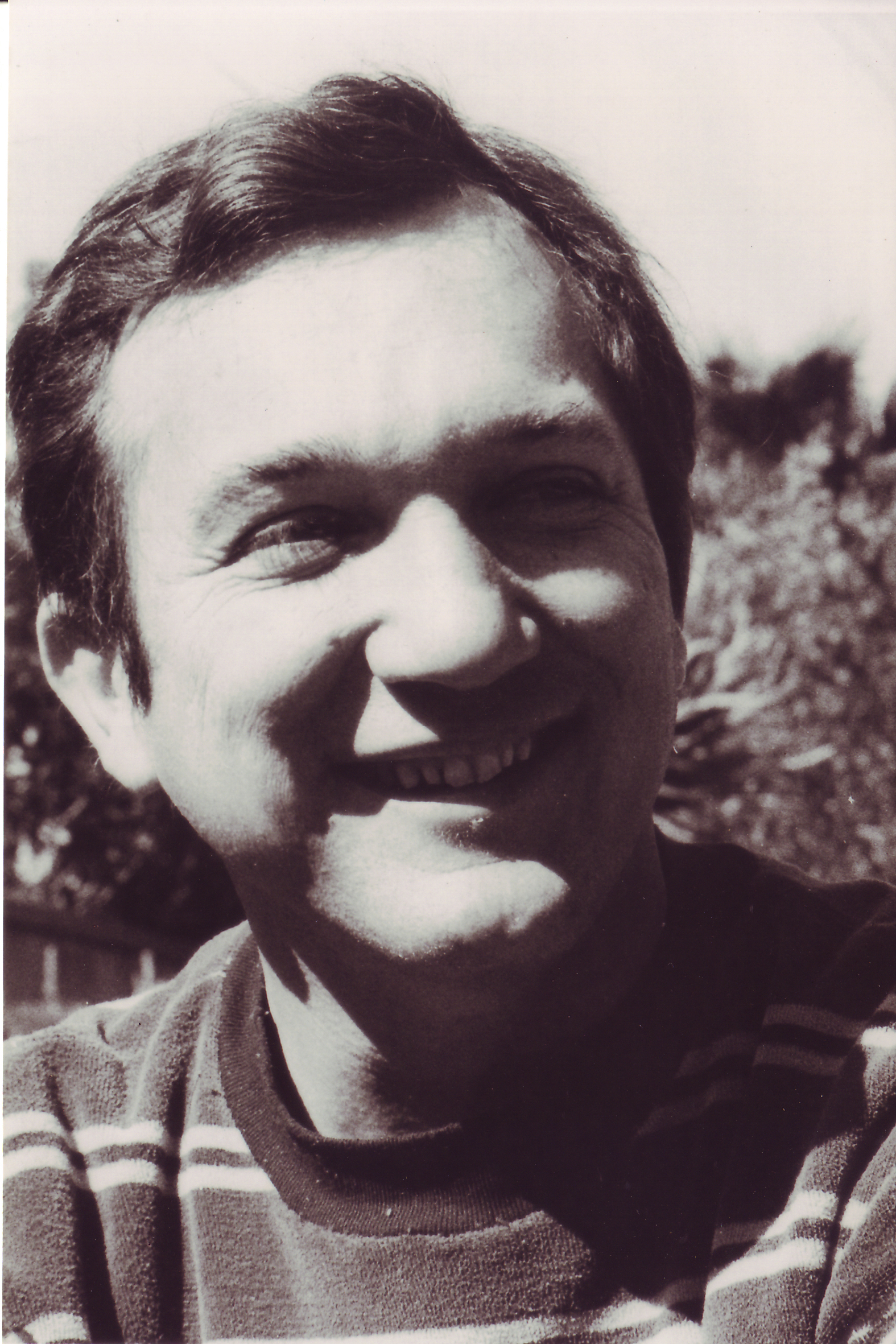
 (First published in 2004. I don’t find it online anywhere, so I reprint it here.)
Charles Warwick, resident of Anaheim, once sent me the nicest letter I have ever had from a reader. It was short and simple. It said he purchased the Register so he could read me.
Over time, I came to know him well. He wrote e-mails about my reviews, asked questions, reflected on his own listening and reading. It turned out that he was the most avid classical music listener that I’d ever met, bar none. He had a huge record, CD and tape collection, and especially enjoyed, just as I do, symphonic music and the great conductors. He subscribed to Gramophone and Opera News and read classical music articles in newspapers and would clip things and send them. He became, we joked, my personal clipping service.
A retired schoolteacher, he went to concerts constantly, and had been doing so since the ’50s. He had stories; he knew lore. When traveling, he visited composers’ homes and other musical landmarks. He knew more repertoire than I did, too, and soon started making me tapes, later CDs, of his collection, and passing them along gratis. I couldn’t have invented such a man. Here I was with my fancy music degrees and yet he was giving me an education. There were all sorts of audios he sent — symphonies by Vagn Holmboe, little-known Rossini overtures, interviews with conductors, rehearsals with Stravinsky, live performances conducted by Giulini and Monteux, the recordings of pianists Benno Moiseiwitsch and Leon Fleisher. Great stuff. He heard that I liked Radu Lupu but owned few of his recordings. Shortly thereafter, a batch of CDs arrived in the mail from Anaheim, including Lupu playing all the Beethoven concertos.
When I had an extra ticket, I began asking him along to concerts. He didn’t always say yes, and I liked him for it. He had taste. When he did come we had a good time. He had a Southern twang (he was from North Carolina) and had that rare gift these days, a gift for conversation, but he knew what was off-limits — namely, my opinion of the concert we were at. That had to wait for the review.
My ancient amplifier started acting up. Charles told me to bring it to the next concert. He took it home, opened it, found two decades of dirt, cleaned it up and promptly delivered it 20 miles to my house, in perfect working order.
When I was to meet Charles at a concert, I’d tell my wife I’d be late. We always ended up talking in the parking lot afterward, on and on. I hope he enjoyed it as much as I did.
The e-mails kept coming. He had a dry wit. “After reading your notice of the opening of the Bowl,” he wrote recently, “I’ve decided that my living room looks and sounds just fine, thank you very much.” Once he spied a famous conductor at an airport: “I figured he wasn’t going to come up to me and ask if I were Charles Warwick, so I approached him and asked if he were Andrew Litton. He said he was.” Of course they struck up a conversation. Litton finally asked Charles if he did anything besides go to concerts. “That about covers it,” Charles replied.
He passed away last Sunday. I have more than 200 of his e-mails in my inbox and can’t bear to delete them. You were a good friend, Charles.


 Classical Life
Hello Tim,
You wrote:
“I couldn’t have invented such a man. Here I was with my fancy music degrees and yet he was giving me an education…”
But knowledge of music theory is not the basis for aesthetic experience. What it describes is, but theory is the description, not THE OBJECT. We still have the object without the technical data. We still have ears and we are still fully equipped to hear it.
Possessing knowledge of music theory and other technical matters does not correlate with a greater aesthetic pleasure and love of music.
I would respectfully disagree with this. I understand what you are trying to say, yet education and knowledge very much affect how we appreciate things. This is why pop music is so widely popular– it requires less understanding to enjoy it on a simplistic level.
We all of us once found children’s games and toys and stories to be amusing, but now we are bored with them as adults. We learn to appreciate complexities because of acquiring knowledge and experience– some people more than others, of course.
The more we learn about the world, in general, or about a subject, specifically, the more it changes how we perceive things. Music is no exception. I used to dislike 12 tone music before I understood what it was all about. I used to find Shostakovich mystifying and dull, before I knew much about 20th century classical music. Now I love his music. Possessing knowledge about music theory and technical matters and history and culture greatly influences the level in which I enjoy listening to music. Being an instrumentalist also changed how I listen to music, since I can experience it from a performer’s view. All of this matters and aids in the appreciation of music on a deep level.
nicely done.
I’m sorry for the loss of such a beloved friend Tim. He sounds like a true treasure.
Kay
A wonderful tribute, Tim.
That’s a lovely piece and quite thoughtful. I enjoyed this section, in particular:
Once he spied a famous conductor at an airport: “I figured he wasn’t going to come up to me and ask if I were Charles Warwick, so I approached him and asked if he were Andrew Litton. He said he was.”
MM,
Just to clarify:
Music, of all the arts, is the one that does not and should not require explanation or education. If it works at all it should talk directly to the inner listener, BENEATH the layers of pretension or persona.
If the music has more going for it that simply satisfying the short-term pretensions of elitists and pseudo-intellectuals then it will survive on its own merits, if not it will die out as the fad passes and audiences move on.
A person doesn’t need to know anything to enjoy and appreciate music. I’m NOT talking about instant gratification here, nor am I saying that the experience cannot be deepened or improved with time. The point I was trying to make was that music ultimately should be able to transcend education and intellect and culture.
How can music be taken out of context of culture and intellect? That would mean a 2 year old from Africa and an 80 year old from Japan will experience or appreciate music in similar ways. That can’t be the case.
Within our own culture and demographics people love and hate music that their friends and family and colleagues hate and love in reverse. There is no such thing as a piece of music being loved by everyone because it transcends some imaginary sense. You’re actually talking more about popular or common denominator beliefs and feelings.
All things are colored by our life experiences and knowledge.
I remember reading this in 2004. It brought tears to my eyes back then as it does reading it over again today. “He had a Southern twang (he was from North Carolina) and had that rare gift these days, a gift for conversation…”Isn’t that the truth? Sometimes I think people forget how to converse rather they just talk at you (or text while you’re talking). Charles sounds like one of those friends that come along once in a lifetime. I’m sure he felt the same about you.
Charles had the ability to make every friend he made (there weren’t many; he was choosy) feel special. When I was at his funeral, I was surprised to meet his travel agent, who had driven up from San Diego to O.C. for the occasion. This travel agent had never met Charles in person — they had only talked on the phone. But somehow, over the years, they struck up a close friendship. Typical Charles.
Just to make it perfectly clear to those who may know me: my partial namesake who had an argument with MM earlier here is not me. In my opinion, they were both kind of right, up to a certain point. Nice tribute, Tim, to an obviously good man!
Well done, Tim. I know you still miss him.